


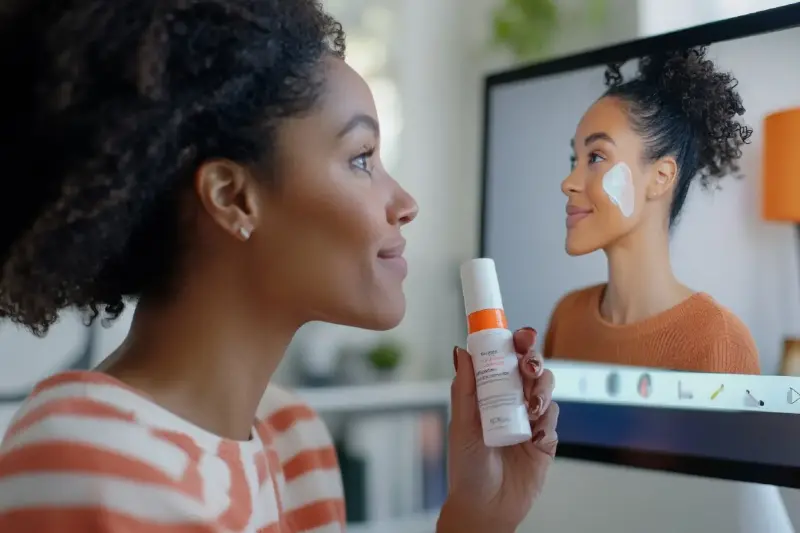
if you’ve shopped for skincare or makeup online recently, you may have noticed that the experience feels notably different than browsing a standard e-commerce site. from foundation shade-matching to custom hair regimens, beauty websites are quickly reinventing the shopping journey with the help of smart tools powered by artificial intelligence (ai), machine learning, and big data. this new era of personalization aims to simplify decision-making, unlock individualized product suggestions, and ultimately, keep shoppers engaged and satisfied. but how exactly does this behind-the-scenes magic work—and why is it changing the face of online beauty shopping for both men and women? let’s unpack the fascinating world of smart tools that are shaping our digital beauty experiences.
as beauty products become increasingly specialized and choices seem endless, shoppers crave guidance tailored to their unique needs. a recent study from salesforce found that 66% of consumers expect companies to understand their individual desires and expectations. smart tools embedded in beauty websites have answered this call by utilizing data-driven algorithms to anticipate preferences, analyze skin and hair types, and even interpret personal style goals.
one of the most eye-catching technologies is the virtual try-on tool. once a novelty found only on a few select websites, this feature is now a highlight across major beauty retailers and brand sites alike. using augmented reality (ar), shoppers can upload a selfie or use a live camera to see how a particular lipstick shade, eyeliner, or foundation will look on their actual face. these tools take into account lighting conditions, skin tone, and even the way different textures interact with your features. for men exploring grooming products or daring new hair colors, these try-ons can be a first step to making braver, more confident purchase decisions—no in-person consultation required.
it’s not just makeup that gets smart. personalized skincare diagnostics are now commonplace, with sophisticated quizzes that dig much deeper than “is your skin oily or dry?” powered by ai, online skin analyzers may ask about current routines, climate, stress levels and even dietary habits. some tools invite users to upload high-resolution photos analyzed for visible signs of aging, hyperpigmentation, or acne. based on this data, the site serves up a curated routine—sometimes even calculating optimal concentrations of active ingredients—rather than a generic list.
haircare, too, has entered the personalized arena. smart tools scan behind-the-scenes variables, such as hair porosity, scalp health, and frequency of chemical treatments. for example, certain sites generate a custom product blend after users answer a brief survey. these digital consultations can be a game changer for anyone frustrated by the trial-and-error world of drugstore shampoos and conditioners—whether you’re dealing with dryness, thinning, or simply searching for more shine.
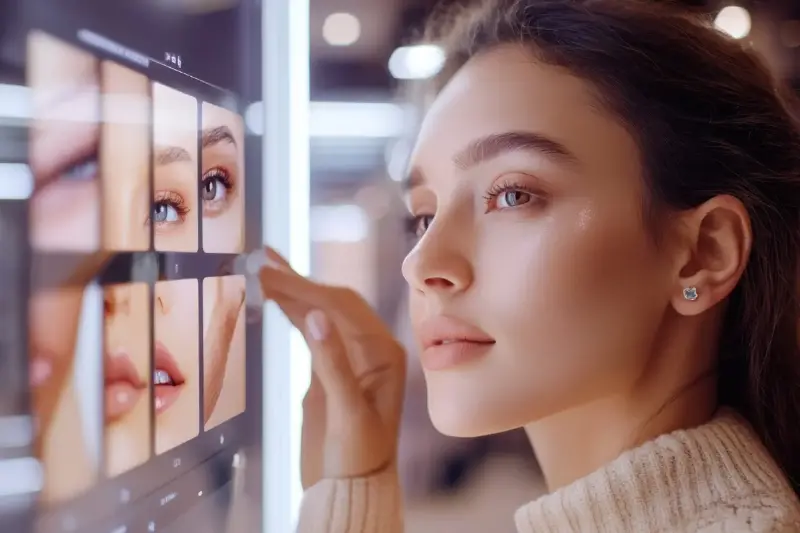
the magic extends to fragrance, a notoriously tough category to shop for online. several beauty websites are now experimenting with scent-matching quizzes and virtual “scent discovery journeys.” using sophisticated algorithms that factor in favorite foods, destination spots, and even personality traits, these tools attempt to match shoppers with a signature scent or recommend new arrivals they might have otherwise overlooked. in some cases, you can even order a set of trial-sized samples tailored specifically to your profile, reducing buyer’s remorse and product waste.
but how do these tools gather and process personal information while respecting privacy? leading beauty websites are investing heavily in secure data collection and transparency. most smart tools operate using opt-in frameworks and explicit consent. shoppers have control over what they choose to share, and data is often anonymized before being processed by machine learning engines. the goal is to create a seamless experience that feels less like surveillance and more like the advice of a well-informed friend.
beyond individual recommendations, smart tools foster community and education. for example, machine learning-driven forums sort and suggest discussion threads based on a user’s interests and previous activity. video tutorials and interactive guides can change in real-time according to the user’s learning speed or preferred tips. some brands even offer real-time chatbots or ai-driven “beauty advisers,” giving tailored product suggestions whenever inspiration strikes—be it late-night skincare emergencies or pre-zoom grooming questions.
the customization doesn’t end once the purchase is made. many beauty sites provide an ongoing personalized experience post-sale. order histories and preferences feed into loyalty programs that serve up exclusive recommendations or targeted discounts. refill reminders, routine check-ins, and personalized “how-to” content help keep buyers satisfied and returning. men, sometimes underserved by traditional beauty counters, now find tailored grooming routines, advice, and even subscription boxes designed for their specific needs and style preferences.
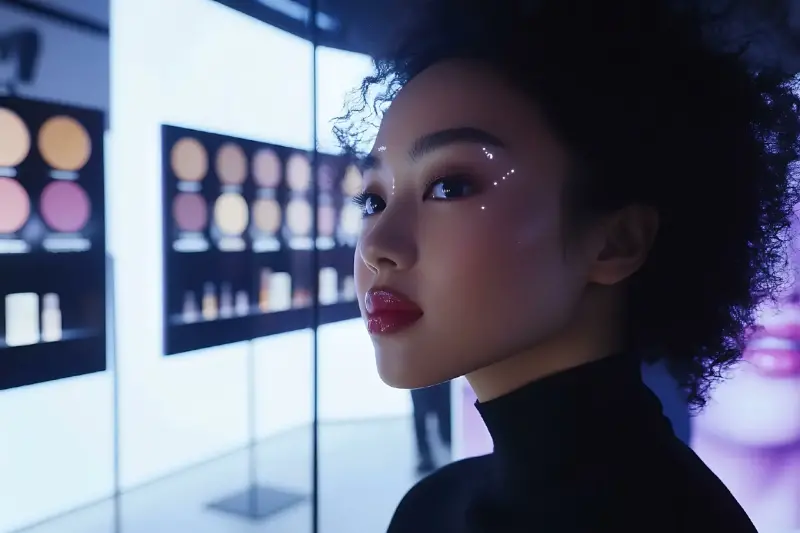
what does the future hold for smart beauty shopping? experts believe hyper-personalization is just getting started. advances in ai could soon allow for real-time analysis of user-generated content, such as photos and reviews, to further tailor recommendations. wearable tech might sync with beauty sites to suggest products based on daily activity, weather, or health data. some brands are testing voice-enabled shopping assistants, turning a quick question about beard care or brow gel into an immersive, personalized shopping experience.
as these innovations continue, it’s important for brands and shoppers alike to balance convenience with transparency and ethical data use. the best smart tools empower consumers, helping them cut through the clutter and make choices that truly work for their lifestyles—regardless of gender, age, or level of expertise. in the crowded world of beauty, personalization isn’t just a trend; it’s quickly becoming the new standard.
so the next time you find yourself scrolling through a beauty website, take a moment to explore these smart tools. whether you’re seeking a foundation that finally matches your skin perfectly or a fragrance that expresses your signature style, you just might discover that a more curated, confidence-boosting shopping experience is only a few clicks away.