



if you’ve noticed more quinoa bowls on restaurant menus or found yourself scanning nutrition apps before hitting the grocery store, you’re not alone. healthy dining is sweeping the country as a powerful lifestyle choice—the days of relegating vegetables to the corner of a plate are fading fast. across the us, both home cooks and food industries are putting well-being front and center, creating a movement that’s about much more than swapping fries for a salad.
one of the most fascinating developments in recent years is just how widely healthy dining now influences where and how we eat. a recent report by the international food information council highlighted that over 52% of americans actively seek out foods that provide health benefits, such as boosting energy, supporting immunity, or improving digestion. in other words, taste alone is no longer driving our decisions—even longtime comfort food lovers are exploring flavorful alternatives that support a healthier life.
restaurants are upping their game too. plant-forward dishes, once the domain of specialty establishments, are now a staple in mainstream chains. you’ll find cauliflower crust pizza, grilled salmon bowls with farro, and chickpea stew on menus that once offered little more than burgers and fries. fast casual chains like sweetgreen and chopped have built entire brands around the idea that healthy, convenient meals can be delicious. even fast-food giants are embracing the trend, adding everything from kale salads to oat milk lattes to their nationwide offerings.
technology has helped fuel this shift. mobile apps let you scan barcodes and ingredients, quickly learn nutritional content, and even receive personalized meal suggestions based on your health goals. this means it’s easier than ever for diners to make informed choices no matter where they are—at the mall, in the airport, or picking up takeout on the way home. companies are also leveraging big data to identify new flavors and ingredients that appeal to health-conscious consumers, driving innovation in everything from veggie-packed snacks to low-sugar drinks.
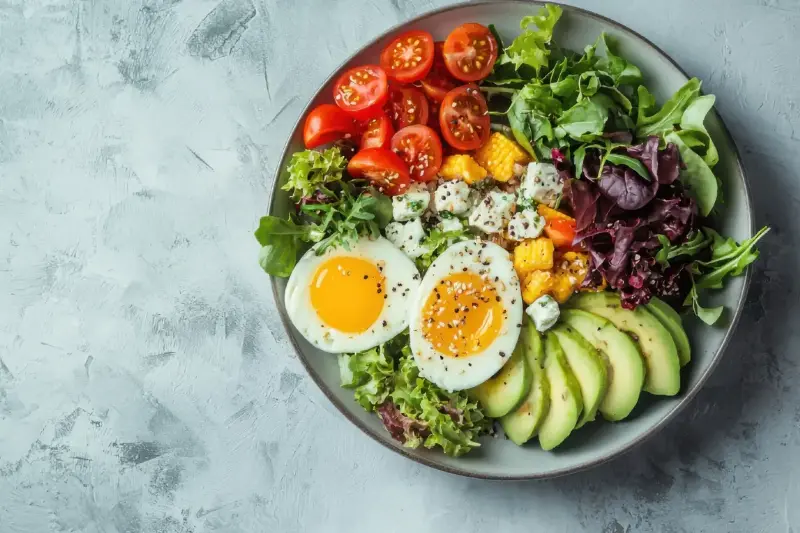
but it isn’t just about calories and carbs. modern healthy dining takes a holistic approach, considering the quality of ingredients and how they’re sourced. terms like “organic,” “locally grown,” and “sustainably raised” are now common on grocery store shelves and restaurant menus alike. the us department of agriculture reports that the organic food market now tops $60 billion annually, a figure that has more than doubled over the past decade. more people are insisting on quality over quantity, choosing wholesome grains, lean proteins, and fresh produce instead of processed alternatives.
interestingly, healthy dining is also a highly social affair. sharing favorite recipes or vibrant meal photos on social media has become almost a sport. platforms like instagram and tiktok are brimming with accounts devoted to nutrient-dense meals, smoothie creations, and easy home cooking hacks. hashtags like #mealprep and #healthyeats are used billions of times each year, inspiring both men and women to experiment in their own kitchens, no matter their cooking skill.
the rise of dietary restrictions has also played a big part in promoting healthier eating habits. gluten-free, dairy-free, vegan, and paleo diets—once considered niche—now cater to a vast and growing clientele. supermarkets have responded with a wider range of options, from almond flour pasta to oat milk yogurt. it’s not just about removing ingredients; it’s about discovering new flavors and ways to enjoy food that feels good both physically and mentally.
mental well-being and emotional health are now intertwined with what’s on our plates. research from the harvard school of public health highlights that diets rich in vegetables, whole grains, and healthy fats can reduce anxiety and depression symptoms in both men and women. mindful eating—taking time to savor meals without digital distractions—is another growing trend that encourages a better relationship with food. this slow-food approach offers enjoyment as well as health benefits, creating a dining experience that’s about much more than satisfying hunger.
for families, healthy dining offers a way to connect and build better habits together. even kids, once famous for their picky tastes, are being introduced to new cuisines through creative school lunch programs, cooking classes, and family-style meals at home. nutritionists encourage parents to make healthy eating fun, offering bite-sized veggies with dips or assembling colorful fruit salads. the payoff isn’t just in nutrients—shared mealtimes are linked to stronger family bonds and improved communication skills.
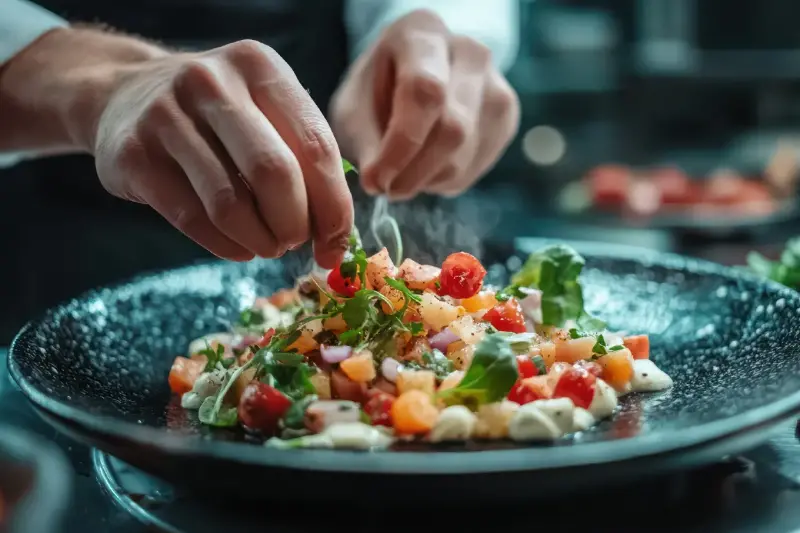
grocery shopping itself has become an adventure in healthier living. new labeling regulations make it easier to spot added sugars, sodium, and artificial ingredients. food brands compete for shelf space by eliminating preservatives and highlighting natural benefits. in a surprising twist, frozen foods—often maligned in the past—are making a comeback thanks to flash-freezing processes that lock in nutrients at peak freshness. it’s now possible to serve a nutritious meal in minutes without sacrificing quality.
this cultural shift isn’t just affecting waistlines—it’s influencing the planet too. with greater emphasis on plant-based meals, demand for meats high in saturated fat is declining, which could help reduce greenhouse gas emissions from food production. shoppers are opting for reusable containers, supporting local farmers’ markets, and cutting down on single-use plastics, all of which point toward a broader movement where healthy dining and eco-consciousness go hand in hand.
perhaps what’s most exciting is how approachable healthy dining has become. you don’t have to be a nutrition expert or dedicate hours in the kitchen to enjoy these benefits. meal kits, online grocery delivery, and simple recipes mean that anyone—from busy professionals to college students—can find a path that works for them. whether you’re interested in tracking macros, embracing “meatless mondays,” or simply enjoying an extra serving of greens, there’s a place for you in this growing community.
as healthy dining becomes a top lifestyle choice, one thing is clear: the way we think about food is evolving. delicious and nutritious are no longer mutually exclusive, and each meal is an opportunity to support both personal and planetary well-being. so the next time you’re deciding what’s for dinner, you’re joining a movement that’s shaping the future of food—one colorful, healthful plate at a time.