


All around the world, young children’s hearts and minds are mouldable, filled with awe and curiosity about their surroundings. In Southeast Asia, where the tapestry of nature stretches from wild rainforests to coral-rich coastlines, there are abundant opportunities to inspire environmental stewardship from a young age. Teaching our children to cherish and protect the planet is not just a modern value—it’s a life skill that prepares them for a responsible future.
Green Learning In Everyday Life
Kids learn best by seeing, doing, and feeling. Instead of limiting eco-lessons to classrooms or books, weave nature appreciation into everyday activities. Going to the local market? Talk about choosing locally grown fruits—like mangosteen or rambutan—and explain how this reduces emissions from transport. Watching rain patter outside? Discuss the water cycle and why conserving water is essential, especially in regions with monsoon seasons and dry spells.
At home, create small routines with a planet-friendly twist, such as turning off lights, separating recycling, or composting food scraps together. Let your children become “Energy Guardians” or “Waste Watchers,” giving them a sense of agency. Studies show that when children take small, consistent actions early, these habits often last a lifetime.
Eco-Adventures In The Southeast Asian Landscape
Take advantage of Southeast Asia’s stunning biodiversity. Family hikes in places like Malaysia’s Taman Negara or Indonesia’s Ubud rice terraces offer immersive ways to spot native flora and fauna. Whether you're listening to hornbills in Borneo or watching turtles hatch on Thailand’s beaches, real-world encounters spark deep compassion and understanding.
Consider joining clean-up events, such as riverbank or beach clean-ups, which give practical, hands-on experience in community conservation. Many environmental groups even run child-friendly programmes, including guided mangrove walks or urban gardening workshops, to teach young ones how every creature—from the smallest worm to the mighty orangutan—plays a role in the ecosystem.

The Magic Of Storytelling And Arts
Nothing captures a child’s heart like a good story. In Southeast Asian cultures, folktales often connect humanity with nature. Retell these tales at bedtime or use picture books highlighting endangered species native to your country. If your family speaks multiple languages, share eco-stories in Bahasa Melayu, Thai, Vietnamese, or other local dialects—building not just environmental awareness, but cultural pride.
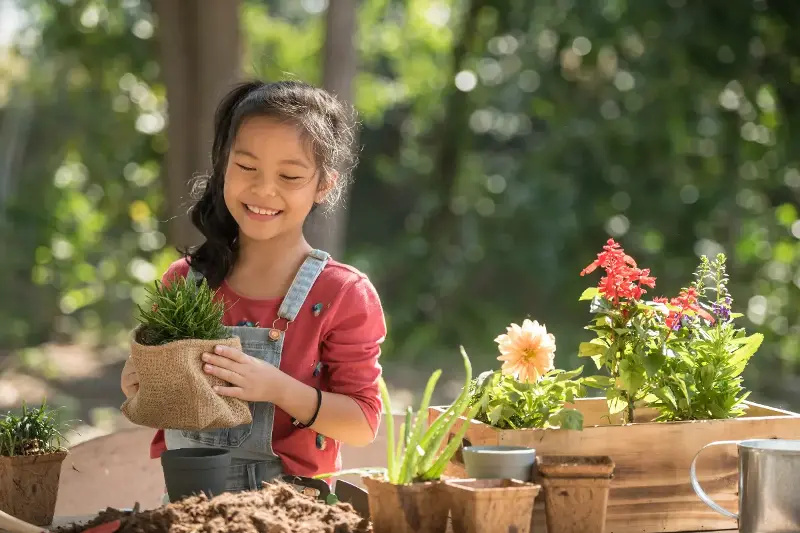
Arts and crafts can also offer green lessons. Collect fallen leaves, seashells, or recycled bottles for creative projects. Plant seeds in used coconut shells, or paint pebbles to use in the garden. These simple activities ignite imagination while subtly planting the value of reusing and reducing waste.
From Little Actions To Big Changes
Encouraging children to take charge of eco-projects can nurture confidence and leadership. Let them brainstorm a mini “Green Day" at home, where electricity is minimised, or organise a family plastic audit to discover how much single-use plastic you use weekly. Motivating children to help care for a plant or pet builds empathy and a sense of responsibility that often extends to respect for all living things.
Highlight local heroes, too: Introduce children to Southeast Asian environmentalists, like Malaysia’s “Shark Girl” Miki Shigeta or the young Thai climate advocate Nanticha Ocharoenchai. Children see that protecting the planet is not abstract, but something real people in their own communities are already achieving.
Bridging Generations: The Family’s Role In Nature-Loving Values
In many Southeast Asian families, wisdom is passed down through generations. Take the opportunity to include grandparents and elders in your green journey. Ask them how they reduced waste or grew food when they were young—before plastic bags and supermarkets became common. Traditional practices, such as using banana leaves for food wrapping or rainwater harvesting, can offer lessons in sustainability with a sense of nostalgia.
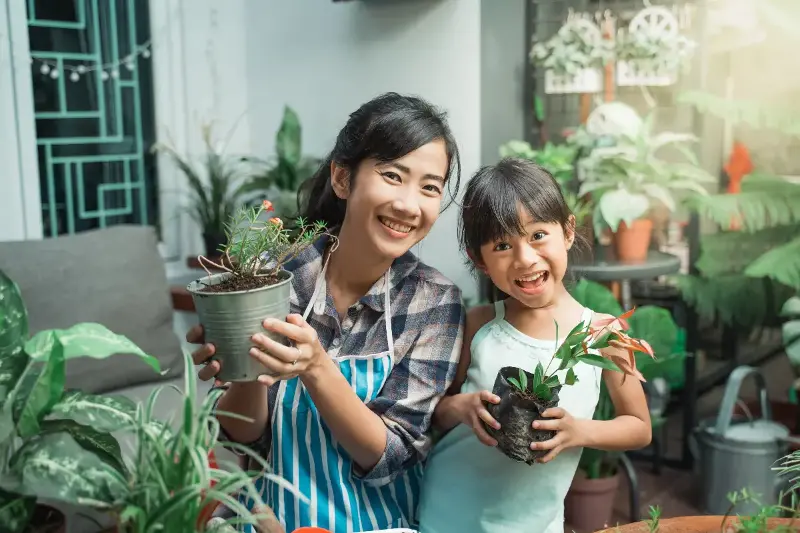
Even urban families can grow herbs in pots on balconies or participate in local “kampung” (village) clean-ups, reminding children that every effort—big or small—contributes to the greater good.
Passing on a love for our planet starts at home, in daily choices and cherished family moments. By nurturing green hearts, we give our children a gift far more valuable than anything money can buy: The wisdom and courage to protect the world they will one day inherit. Who knows? Today’s tiny tree-planter or plastic picker might just grow up to become tomorrow’s environmental leader—blazing a trail of hope for Southeast Asia and beyond.